Why “SaaS is dead” has some truth but is also nonsense
I believe people are replacing paid software with things they’ve built themselves. But taking on the support, security and responsibility is part of the job too.

Joe Peel
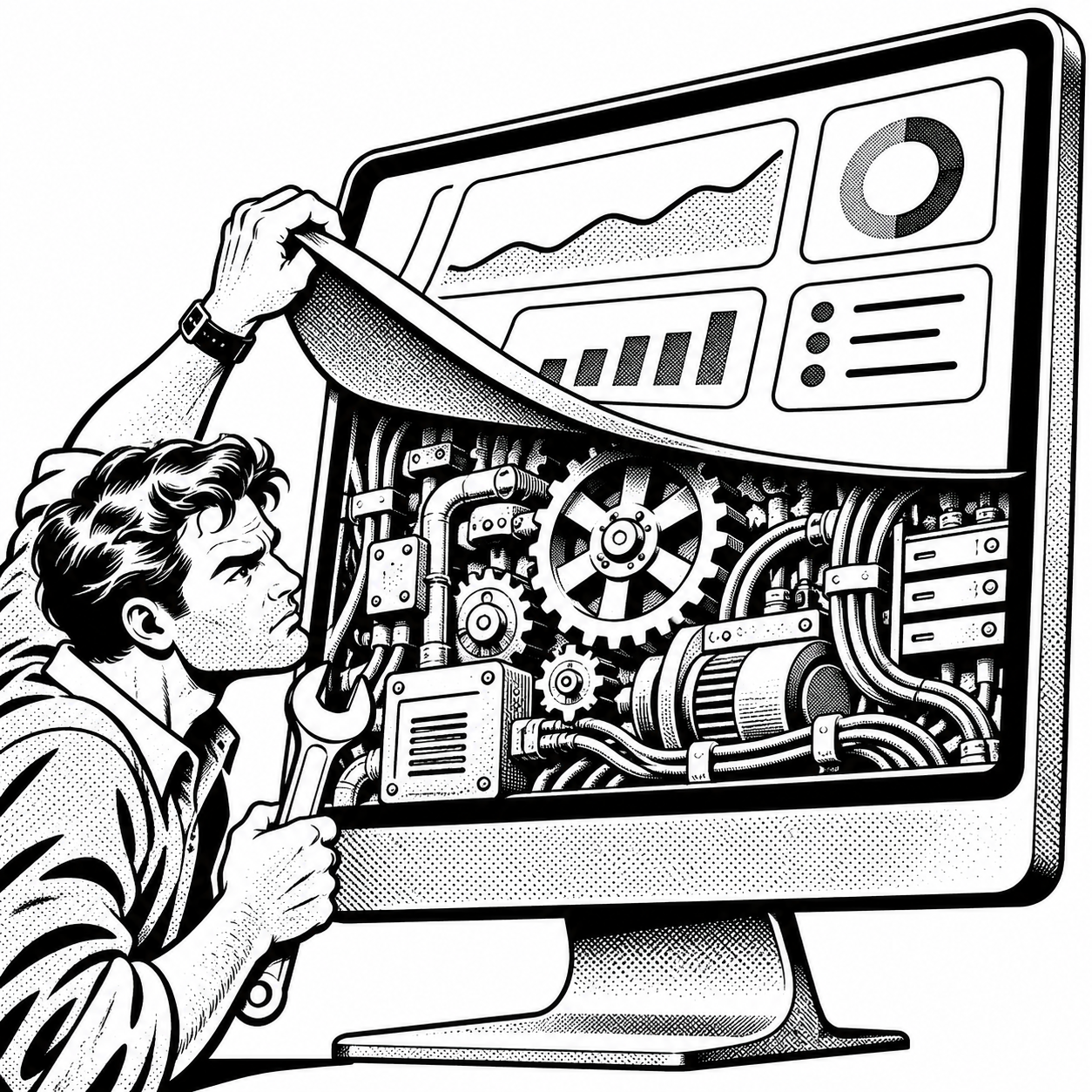
I keep seeing people say SaaS is dead. Someone builds their own version of a paid product over a weekend, makes it open source, and suddenly the argument is that SaaS companies are all going to fail.
Technical people are building things that suit them better than the software they were paying for. They look at what they’ve made and think, why would I keep paying a subscription for this?
I think there’s some truth in that. I also think taking it to mean that SaaS is dead is nonsense.
Replacing your own subscriptions makes sense
When someone says they’ve built their own thing, it’s really good and they’re getting value from it, I believe them. Maybe there’s a piece of software they no longer need, so they cancel the subscription. I’m not denying that. I’m seeing it too.
I’ve thought about doing it myself. Instead of having ten different subscriptions, I could build an all-in-one thing that just does what I want, how I want it.
For a one-person business or a really small team, that’s great. I think that’ll be part of the future. More people will do it themselves, and there’ll be a market for people who can help them do it.
I’ve written before about whether we’ll all build our own apps. I do think some of the software we currently subscribe to will be replaced this way. In that part of the market, I think there’s going to be a decline in SaaS.
Building it is only part of the job
The bit I think people forget is that software needs support.
When someone says they’ve built their own thing, they’ve built it. They might not yet have experienced what happens when something goes wrong. A security patch is needed. Some data gets corrupted. Something needs doing beyond building the thing in the first place.
I’m not saying they wouldn’t be able to fix it. But the onus is now on them. They’ve taken on that software role themselves.
If you’re running a business on your own and can jump on those things, that’s probably fine. You might decide that’s a perfectly reasonable trade-off for having something that works exactly how you want it to.
But once ten people rely on that system and it’s the lifeblood of the business, I’m not convinced building and looking after it yourself with AI is always a good use of your time.
There’s a lot going on under the hood
Then you’ve got bigger companies with complicated infrastructure and data needs. Their business absolutely relies on these systems working. They’re often in larger contracts, and those contracts cost more.
Could AI build some of the features they use? Absolutely. I don’t doubt that.
But these systems aren’t just pretty dashboards, forms and UI. There’s a lot going on under the hood, and I think people forget that when they look at something and say they could build it over a weekend.
Take a financial management platform where clients need the provider to have ISO certification. Could you build something with similar features? Sure. But would you have all the compliance in place? What would happen with insurance and liability if something went wrong or there was a data breach?
And if government legislation changes, who stays on top of that?
Those are parts of the job too. They don’t disappear because the features have become easier to build.
Some teams will take that on
I’m not saying all of this is insurmountable. Some teams will decide to make something themselves and manage the risk, support and responsibility that come with it.
That’s the half truth in the argument. There will be things where it makes sense to say, we’re going to build this and look after it ourselves. I think that’s particularly true for smaller tools.
But for bigger systems, and the software a business really depends on, I think there’s still a reason to pay someone else to provide it and keep it running.
I don’t see people spending a weekend replacing those systems and also taking care of everything needed to support them, keep them available and keep them secure. Those have typically been some of the most important parts of the job.
I might be wrong
Maybe that changes. AI might get so good that it can do all of it. Maybe it can ask you the right questions, handle the project management and take care of the ongoing work as well.
I get it. I might be wrong. And maybe it’ll be able to do those things a lot sooner than we think.
But right now, when someone says they’ve replaced a subscription with something they built themselves, I believe them. I just don’t think that means SaaS is dead.
Related articles
Will we all build our own apps?
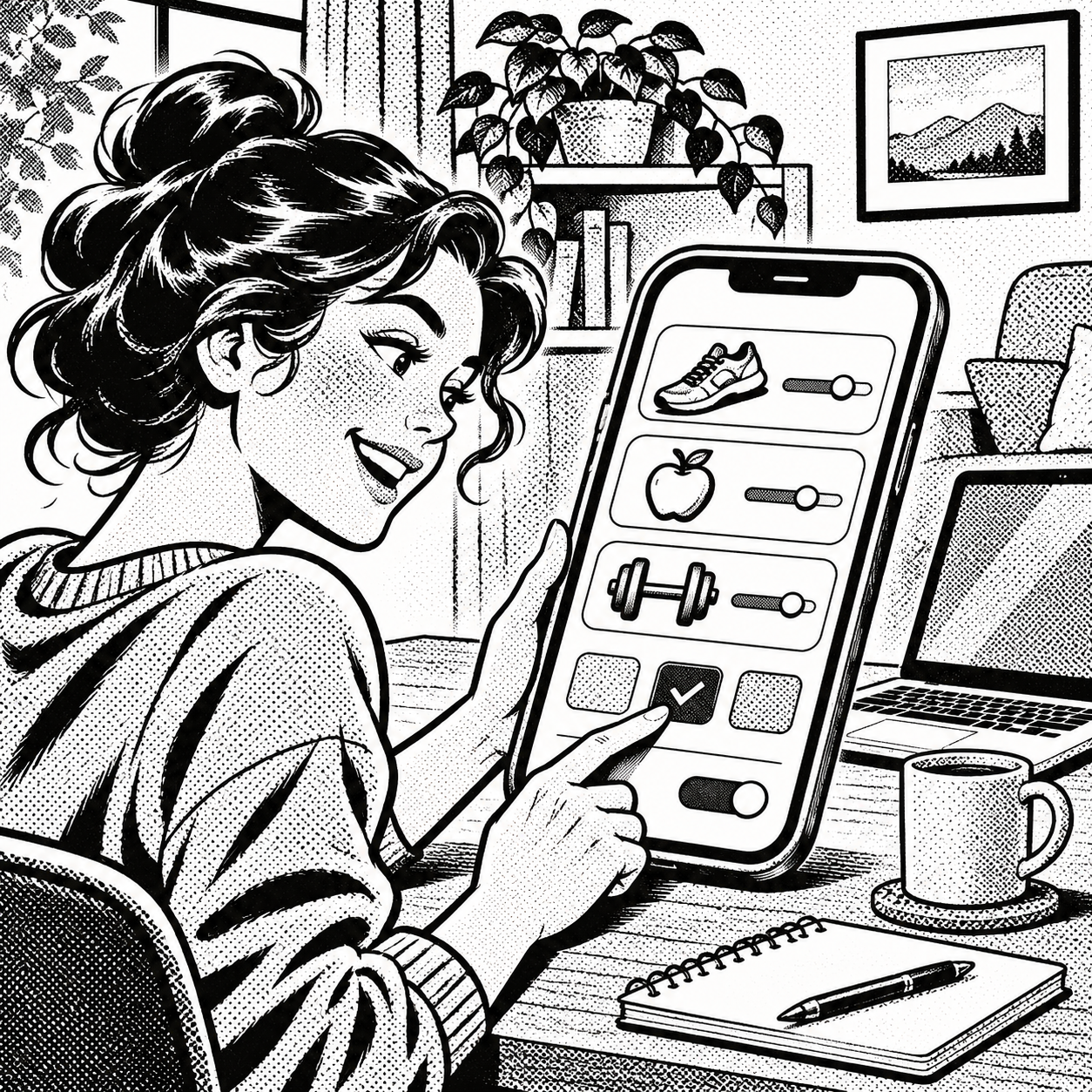
A colleague built his own fitness app because none of the existing ones did what he wanted. I wonder how soon the rest of us will be doing the same, and what that means for developers like me.

Prediction: every company will soon have a developer
I think more and more businesses will have a developer they can turn to. Probably someone part-time or freelance, helping them build the things they need as they think of them.
About Joe Peel
I’m the software engineer behind HiTide. Let’s have a virtual coffee, chat about your systems and see where the conversation takes us.